




Director's commentary
Saskia Diesing on "Lost Transport":
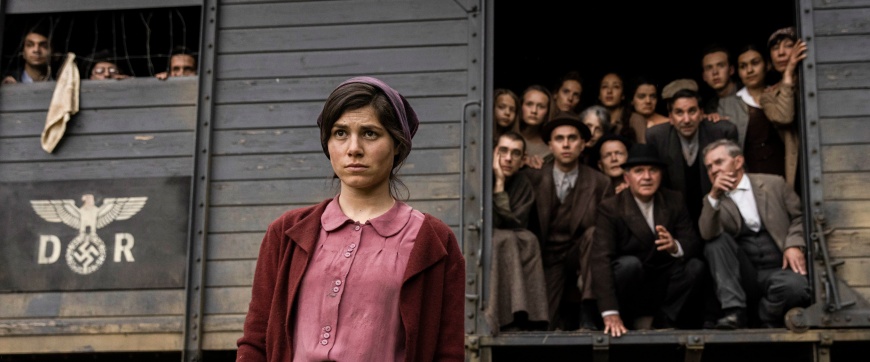
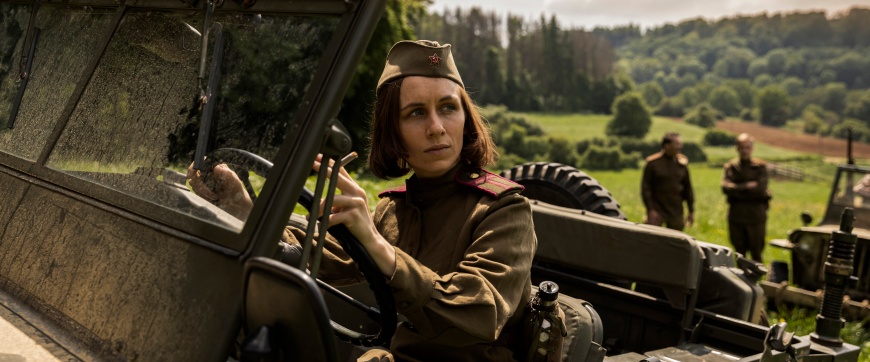
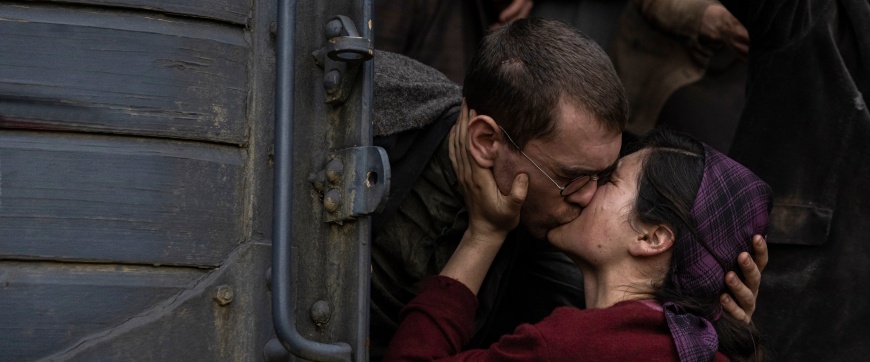
"Lost Transport" is a post-war drama told from the perspective of three women. It is a film about the war that is not quite over. It's a film that shows us the human effort and resilience it takes to overcome resentment, anger, and mistrust, and to restore one's humanity.
Nine out of ten films about World War II are conceived, written, directed, and produced by men. As a rule, they also portray men, preferably as heroes, occasionally as victims, and recently increasingly as perpetrators.
This film, however, is about women. It was conceived and written by a woman and is also largely produced by women. Will that make a difference? Maybe it won't. Maybe gender is irrelevant when it comes to war, or filmmaking in general. But maybe it will. Because women experience war in a different way, and therefore may have different things to say about war. About compassion, for example. Compassion starts with understanding life from another person's point of view. It's not something that just happens. Compassion maybe, but compassion or empathy is not the same as pity. Compassion is a perspective, a way of life, and, perhaps most importantly, compassion is a choice.
In my view, women played a crucial but fundamentally different role than men after liberation. Millions of women had lost their husbands and sons. Many of them, including their daughters, had been raped and humiliated. But they did what women have done for centuries: Pick up the pieces and move on.
In my view, if our perception of World War II, which is such an essential and painful part of our European history, is also shaped by the female perspective, this offers us the possibility of arriving at alternative narratives and insights that are equally valuable.
In this sense, this film can be interpreted as a tribute to all the women who took up their mops and brooms after the war to quietly sweep away the rubble and blood while the men started writing the history books.